As women navigate midlife and menopause, maintaining adequate vitamin D levels becomes a common health consideration. Vitamin D, often referred to as the ‘sunshine vitamin,’ is unique because our bodies can produce it when exposed to sunlight.
However, relying solely on sun exposure for vitamin D can be complex. This article explores the factors influencing sun-induced vitamin D synthesis and examines whether sunlight alone is typically enough, particularly for women in this life stage.
How Sunlight Helps Produce Vitamin D
The primary natural way our bodies obtain vitamin D is through exposure to ultraviolet B (UVB) radiation from sunlight. When UVB rays hit the skin, they convert a precursor molecule into vitamin D3 [1]. This vitamin D3 then undergoes further processing in the liver and kidneys to become its active form, calcitriol, which functions more like a hormone in the body [2].
The amount of vitamin D produced from sun exposure depends on several factors. These include the time of day, season, geographic latitude, skin pigmentation, and the amount of skin exposed [3]. For instance, UVB radiation is strongest when the sun is high in the sky, typically midday during warmer months [3].
While sunlight is a natural source, it’s important to understand that prolonged sun exposure also carries risks, including skin damage and an increased risk of skin cancer [4]. Balancing the potential benefits of sun exposure for vitamin D with these risks is a key consideration.
Factors Limiting Sun-Induced Vitamin D Production
Several factors can significantly limit the amount of vitamin D your body can produce from the sun. Geographic location plays a major role; individuals living at higher latitudes may not receive sufficient UVB radiation during winter months to synthesize adequate vitamin D [3].
Skin tone is another crucial factor. Melanin, the pigment that gives skin its color, acts as a natural sunscreen and can reduce the skin’s ability to produce vitamin D from sunlight [1]. Individuals with darker skin tones may require longer periods of sun exposure to synthesize the same amount of vitamin D as those with lighter skin [5].
The use of sunscreen, while vital for protecting against skin damage, also inhibits vitamin D synthesis [6]. A sunscreen with an SPF of 15 can reduce vitamin D production by more than 90% [6]. Furthermore, clothing, window glass, and even air pollution can block UVB rays, further limiting vitamin D synthesis [3].
Is Sun Exposure Alone Sufficient for Midlife Women?
For many women in midlife, relying solely on sun exposure may not be sufficient to maintain optimal vitamin D levels. Hormonal changes during menopause can influence bone health, making adequate vitamin D even more important [2]. Given the various factors that limit sun-induced production, achieving consistent, sufficient levels through sunlight alone can be challenging.

Research suggests that even in sunny climates, vitamin D deficiency can be prevalent [7]. Studies comparing sun exposure to supplementation have shown that oral vitamin D supplementation can be effective in improving vitamin D status [7][8]. For instance, one randomized controlled trial found that both oral vitamin D supplementation and simulated sunlight exposure were effective in increasing vitamin D levels in healthy adults [9].
The balance between obtaining vitamin D from the sun and minimizing skin cancer risk is a delicate one. Many health organizations recommend sensible sun exposure for short periods without sunscreen, particularly during peak UVB hours, but also emphasize the importance of sun protection to mitigate skin damage [10]. For consistent and measurable vitamin D intake, especially when sun exposure is unreliable or contraindicated, supplementation can be a more predictable approach.
The Role of Vitamin D3 Supplements
Given the challenges of consistent vitamin D production from sun exposure, particularly for women navigating midlife and menopause, vitamin D3 supplementation is often considered. Supplements provide a controlled and measurable way to ensure adequate intake, regardless of season, location, skin type, or time spent outdoors. This can be particularly beneficial for those who are unable to get sufficient sun exposure or who prioritize minimizing sun exposure for skin health.
Clinical trials have demonstrated the effectiveness of vitamin D3 supplementation in raising vitamin D levels. For example, studies have shown that vitamin D supplementation can effectively address deficiency in various populations, including infants and adults [8][7]. Supplementation offers a consistent alternative to the variable nature of sun-induced vitamin D synthesis.
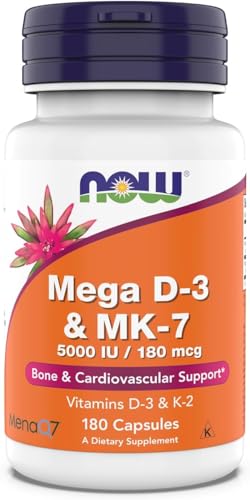
When considering supplementation, vitamin D3 (cholecalciferol) is the form typically recommended, as it is the same form produced in the skin upon sun exposure [1]. Combining vitamin D3 with vitamin K2 is also a common approach, as these vitamins are thought to work synergistically in the body.


References
- Vitamin D and the Skin: An Update for Dermatologists. American journal of clinical dermatology, 2018
- Vitamin D: Vitamin or Hormone?. The Nursing clinics of North America, 2021
- Sunlight, UV Radiation, Vitamin D, and Skin Cancer: How Much Sunlight Do We Need?. Advances in experimental medicine and biology, 2020
- UV radiation and the skin. International journal of molecular sciences, 2013
- Effect of Vitamin D3 Supplementation in Black and in White Children: A Randomized, Placebo-Controlled Trial. The Journal of clinical endocrinology and metabolism, 2015
- Sunscreen photoprotection and vitamin D status. The British journal of dermatology, 2019
- Sunlight exposure or vitamin D supplementation for vitamin D-deficient non-western immigrants: a randomized clinical trial. Osteoporosis international : a journal established as result of cooperation between the European Foundation for Osteoporosis and the National Osteoporosis Foundation of the USA, 2011
- Sunlight Exposure vs Oral Vitamin D Supplementation for Prevention of Vitamin D Deficiency in Infancy: A Randomized Controlled Trial. Indian pediatrics, 2022
- Vitamin D and the hepatitis B vaccine response: a prospective cohort study and a randomized, placebo-controlled oral vitamin D(3) and simulated sunlight supplementation trial in healthy adults. European journal of nutrition, 2021
- Sunlight: Time for a Rethink?. The Journal of investigative dermatology, 2024
These statements have not been evaluated by the Food and Drug Administration. This information is not intended to diagnose, treat, cure, or prevent any disease. Content is for informational purposes only and is not medical advice; consult a qualified healthcare provider before starting any supplement. As an Amazon Associate we earn from qualifying purchases.