Navigating midlife often involves various physiological changes, and supporting overall well-being is a common focus. Inflammation, a natural bodily response, can sometimes become dysregulated. Exploring nutritional strategies that may help modulate these processes is a topic of interest for many women.
Among the nutrients gaining attention for their potential role in supporting inflammatory balance are vitamins D3 and K2. While research is ongoing, understanding the current evidence regarding their individual and combined effects can provide valuable insights for midlife health considerations.
Understanding Inflammation in Midlife
Inflammation is a complex biological process that is essential for healing and protection against harm. However, chronic or low-grade inflammation, sometimes referred to as ‘inflammaging,’ can be a factor in various age-related changes. During midlife and menopause, shifts in hormones and metabolism can influence inflammatory pathways, making nutritional support an area of exploration.
While acute inflammation is a healthy response, prolonged inflammation can impact various bodily systems. Supporting a balanced inflammatory response through lifestyle and nutrition is a strategy many women consider as they move through midlife.
Vitamin D3’s Potential Influence on Inflammation
Vitamin D3 is widely recognized for its role in bone health, but its functions extend beyond that, with receptors found in many tissues throughout the body. This widespread distribution suggests a broader role in physiological processes, including those related to the immune system and inflammatory responses.
Human trials of vitamin D and inflammatory markers in midlife adults do exist, and they are not a small literature. A 2024 systematic review and meta-analysis of randomised controlled trials in postmenopausal women found that vitamin D supplementation lowered C-reactive protein by a small but statistically significant margin (mean difference -0.65 mg/L, 95% CI -0.93 to -0.37)[1]. That is a measurable change in one inflammatory marker rather than a demonstrated clinical anti-inflammatory benefit, and it does not establish that supplementation changes how anyone feels. Research often explores the interplay of multiple nutrients in modulating inflammation, highlighting the complexity of these interactions [2].
Vitamin K2 and Its Emerging Role in Inflammatory Pathways
Vitamin K2, particularly the menaquinone forms, is gaining recognition for its diverse biological activities beyond blood clotting and bone health. Emerging research suggests that vitamin K2 may play a part in influencing inflammatory processes in various ways.
For instance, studies indicate that vitamin K2 may help modulate inflammatory responses. Research has explored its potential to alleviate certain inflammatory conditions, such as colitis, in animal models by affecting inflammatory responses, gut barrier integrity, and the gut microbiota [3]. Additionally, vitamin K2 has been observed to protect against certain types of neurodegeneration, which may involve its influence on inflammatory pathways [4]. Its role in inhibiting osteoclastogenesis and ODF/RANK ligand expression in bone marrow cell cultures also suggests an influence on processes that can be linked to inflammatory states [5].
Further research indicates that vitamin K2 may influence specific inflammatory mediators. For example, it has been shown to inhibit PGE2-mediated osteoblast ferroptosis by upregulating CBR1 via the Nrf2/Keap1 pathway, suggesting a mechanism through which it could impact cellular stress and inflammation [6]. The broader implications of these findings for human inflammatory conditions during midlife are areas of ongoing investigation.

The Combined Effect of Vitamin D3 and K2 on Inflammation
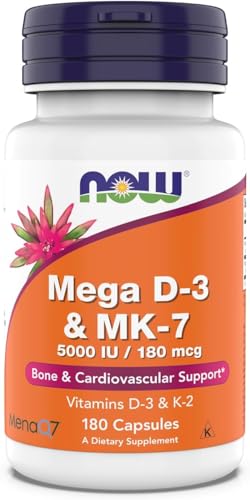
While both vitamin D3 and K2 have distinct roles, their combined effects are often explored due to their synergistic relationship in calcium metabolism and bone health. This synergy extends to other areas, including potential influences on cardiometabolic health and inflammatory processes [7].
The concept of nutrient synergy suggests that certain combinations of compounds may offer broader support than individual nutrients alone. For example, a combination that included vitamin K2 alongside other compounds showed pro-osteogenic and anti-inflammatory synergistic effects in bone marrow-derived mesenchymal stromal cells [2]. This highlights the potential for vitamin D3 and K2 to work together, even if the precise mechanisms related to inflammation during midlife are still being elucidated.
Considerations for Midlife Women
For women in midlife and menopause, maintaining a balanced inflammatory response is a valuable aspect of overall health. While the evidence for vitamin D3 and K2 directly modulating inflammation in humans during this specific life stage is still developing, the existing research provides a foundation for understanding their potential roles.
Incorporating a balanced diet rich in various nutrients, along with regular physical activity and stress management, forms a comprehensive approach to supporting health during midlife. Nutritional supplements, including vitamin D3 and K2, can be considered as part of this broader strategy, always in consultation with a healthcare professional.


References
- The Effects of Vitamin D Supplementation on C-Reactive Protein and Systolic and Diastolic Blood Pressure in Postmenopausal Women: A Meta-Analysis and Systematic Review of Randomized Controlled Trials. Journal of the Academy of Nutrition and Dietetics, 2024
- Pro-Osteogenic and Anti-Inflammatory Synergistic Effect of Orthosilicic Acid, Vitamin K2, Curcumin, Polydatin and Quercetin Combination in Young and Senescent Bone Marrow-Derived Mesenchymal Stromal Cells. International journal of molecular sciences, 2023
- Vitamin K2 alleviates dextran sulfate sodium-induced colitis via inflammatory responses, gut barrier integrity, and the gut microbiota in mice. International journal of biological macromolecules, 2024
- Vitamin K2 protects against aluminium chloride-mediated neurodegeneration. Inflammopharmacology, 2023
- Vitamin K(2) inhibits adipogenesis, osteoclastogenesis, and ODF/RANK ligand expression in murine bone marrow cell cultures. Bone, 2000
- Vitamin K2 inhibits PGE2-mediated osteoblast ferroptosis by upregulation of CBR1 via the Nrf2/Keap1 pathway. Communications biology, 2025
- Modulation of Cardiometabolic Risk by Vitamin D and K2: Simple Supplementation or Real Drug? Uncovering the Pharmacological Properties. International journal of molecular sciences, 2025
These statements have not been evaluated by the Food and Drug Administration. This information is not intended to diagnose, treat, cure, or prevent any disease. Content is for informational purposes only and is not medical advice; consult a qualified healthcare provider before starting any supplement. As an Amazon Associate we earn from qualifying purchases.