Midlife and menopause bring a range of physiological changes for women, including shifts in body composition. Maintaining muscle strength during this time can be an important aspect of overall well-being and may contribute to a more active lifestyle.
Emerging research suggests that certain nutrients, such as vitamins D3 and K2, may play a supportive role in muscle health. This article explores the current understanding of how these vitamins might contribute to maintaining muscle strength and potentially enhancing fall resilience during midlife.
Understanding Muscle Changes During Midlife and Menopause
As women transition through midlife and menopause, they may experience changes in muscle mass and strength. Sarcopenia, a condition characterized by progressive and generalized loss of skeletal muscle mass and strength, can be a concern for menopausal women [1]. This muscle loss can impact daily activities and overall physical function.
Body composition analysis in perimenopausal women has shown that various factors, including vitamin D levels, can influence these changes [2]. These shifts highlight the importance of understanding nutritional support for muscle health during this life stage.
Maintaining muscle strength is not only about physical performance but also about contributing to balance and stability, which can be relevant for fall resilience. Falls can become a greater concern as individuals age, and strong muscles are a component of maintaining mobility and reducing fall risk.
The Role of Vitamin D3 in Muscle Function
Vitamin D, often referred to as the ‘sunshine vitamin,’ is well-known for its role in bone health. However, its influence extends to various other bodily functions, including muscle health. Sufficient vitamin D levels are considered important for optimal muscle function and strength.
Research indicates that vitamin D may have a direct impact on muscle fibers and their ability to contract. While the exact mechanisms are complex and still being investigated, vitamin D receptors are present in muscle tissue, suggesting a role in muscle cell processes. Maintaining adequate vitamin D levels may be a factor in supporting muscle integrity and function as women navigate midlife.


How Vitamin K2 May Support Muscle Health
Vitamin K, particularly vitamin K2 (menaquinone), is gaining recognition for its diverse roles beyond blood clotting. Recent research suggests a potential connection between vitamin K2 and muscle health. One study indicated that vitamin K2 may help alleviate insulin resistance associated with skeletal muscle atrophy through specific signaling pathways [3]. This suggests a mechanism by which K2 might support muscle maintenance.
Furthermore, vitamin K has a ‘pleiotropic role’ in various chronic conditions, indicating its broad influence on health [4]. While more research is needed to fully understand the extent of K2’s direct impact on muscle strength in humans, these early findings are promising for its potential contribution to muscle health during midlife.

Another animal study exploring the combination of omega-3 fatty acid and menaquinone-7 (a form of K2) found it helpful in reducing Fox0 expression of muscle in uremic rats, alongside other benefits [5]. While this is an animal study, it provides further insight into potential mechanisms of K2 in muscle tissue.
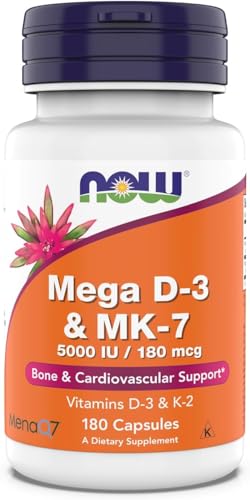
The Combined Potential of D3 and K2 for Muscle and Fall Resilience
While vitamin D3 and K2 each have individual roles, their combined action is an area of increasing interest. For women in midlife, supporting both bone and muscle health is often a priority, and these vitamins may play complementary roles in these areas.
Stronger muscles contribute to better balance and coordination, which are crucial for reducing the risk of falls. By supporting muscle strength, vitamins D3 and K2 may indirectly contribute to fall resilience. Maintaining adequate muscle mass and function is a key component of physical independence as individuals age.
While the direct evidence for the combined effect of D3 and K2 specifically on fall prevention in midlife women is still developing, the individual contributions of each vitamin to muscle and bone health suggest a synergistic potential. For instance, vitamin D is known to influence muscle, and vitamin K has been explored for its effects on bone metabolism [6], both of which are foundational for stability.
Practical Considerations for Midlife Women
Prioritizing a balanced diet rich in nutrients is a foundational step for muscle health. Foods like eggs, for example, are nutrient-rich and may be relevant to metabolic health during the menopausal transition [7]. Incorporating protein, healthy fats, and a variety of fruits and vegetables supports overall well-being.
Regular physical activity, including resistance training, is also critical for maintaining muscle mass and strength throughout midlife and beyond. Exercise works in conjunction with nutrition to support muscle health and reduce the risk of muscle loss.
For women considering supplementation with vitamin D3 and K2, it is important to discuss this with a healthcare provider. They can help assess individual needs and provide guidance on appropriate dosages, taking into account other health conditions and medications.
References
- Sarcopenia in Menopausal Women: Prevalence, Risk Factors, Hormonal Mechanisms, and Management Strategies. Journal of mid-life health, 2025
- Body Composition Analysis in Perimenopausal Women Considering the Influence of Vitamin D, Menstruation, Sociodemographic Factors, and Stimulants Used. International journal of environmental research and public health, 2022
- Vitamin K2 Alleviates Insulin Resistance Associated Skeletal Muscle Atrophy via the AKT/mTOR Signalling Pathway. Journal of cachexia, sarcopenia and muscle, 2025
- The Pleiotropic Role of Vitamin K in Multimorbidity of Chronic Obstructive Pulmonary Disease. Journal of clinical medicine, 2023
- Omega-3 fatty acid and menaquinone-7 combination are helpful for aortic calcification prevention, reducing osteoclast area of bone and Fox0 expression of muscle in uremic rats. Renal failure, 2022
- Pharmacodynamics of menatetrenone and effects on bone metabolism in continuous ambulatory peritoneal dialysis patients. The Journal of international medical research, 2002
- Eggs as a Nutrient-Rich Food with Potential Relevance to Sleep Metabolic Health, and Well-Being During the Menopausal Transition: A Narrative Review. Nutrients, 2025
These statements have not been evaluated by the Food and Drug Administration. This information is not intended to diagnose, treat, cure, or prevent any disease. Content is for informational purposes only and is not medical advice; consult a qualified healthcare provider before starting any supplement. As an Amazon Associate we earn from qualifying purchases.