As women navigate midlife and menopause, understanding nutritional support can become a key focus. Vitamin D3 and K2 are often discussed together due to their roles in various bodily processes.
Selecting a supplement can feel overwhelming with the many options available. This guide aims to provide clear, evidence-based information to help you make an informed decision when choosing a D3+K2 supplement.
Understanding Vitamin D3 and K2
Vitamin D3 (cholecalciferol) is a fat-soluble vitamin that our bodies can produce when exposed to sunlight. It plays a role in calcium absorption and utilization. However, many factors, including age, skin tone, and geographic location, can affect the body’s ability to produce sufficient D3.
Vitamin K is also a fat-soluble vitamin, with two main forms relevant to supplements: K1 (phylloquinone) and K2 (menaquinone). Vitamin K2 is further divided into subtypes, with MK-4 and MK-7 being the most commonly found in supplements. These different forms of K2 may have varying effects [1].
The combination of D3 and K2 in supplements is often highlighted because they are thought to work together. For instance, vitamin K2 may play a role in how vitamin D3 influences calcium in the body [1].
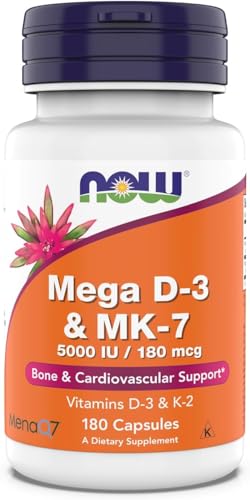


Why Consider D3+K2 in Midlife?
Midlife, particularly the perimenopausal and menopausal years, brings about significant hormonal shifts. These changes can impact bone density and other aspects of health. Maintaining adequate levels of certain nutrients is often considered a supportive measure during this time.
While calcium is widely recognized for its role in bone health, the interplay of D3 and K2 is also a subject of interest. Vitamin D3 aids in the absorption of calcium, and vitamin K2 may influence how calcium is directed within the body [1]. This combined action is what makes D3+K2 supplements a topic of discussion for women over 40.
It’s important to remember that supplements are intended to complement a balanced diet and healthy lifestyle, not replace them. Discussing your individual needs with a healthcare professional is always recommended.
Key Considerations When Choosing a D3+K2 Supplement
When looking for the best D3 K2 supplement, several factors can help guide your choice:
1. Forms of Vitamins D3 and K2: Vitamin D3 should be in the cholecalciferol form, which is the same type your body produces from sunlight. For vitamin K2, look for menaquinone-7 (MK-7) or menaquinone-4 (MK-4). MK-7 is often favored in supplements due to its longer half-life in the body. Some supplements may contain both forms [2].
2. Dosage: D3 dosages are typically expressed in International Units (IU), while K2 dosages are in micrograms (mcg). There isn’t a universally agreed-upon ‘ideal’ ratio or dosage for D3+K2, as individual needs can vary. Many supplements offer D3 in strengths ranging from 1000 IU to 5000 IU, and K2 (MK-7) often in the range of 90 mcg to 180 mcg. It is wise to consider a supplement that allows for flexible dosing or offers a moderate amount that aligns with general recommendations, or as advised by a healthcare provider.

3. Quality and Purity: The quality of dietary supplements can vary. Studies have shown that the actual content of vitamins D and K in supplements may sometimes differ from what is stated on the label [3]. Look for supplements from reputable brands that conduct third-party testing for purity and potency. This can help assure that the product contains the advertised amounts of D3 and K2 and is free from unwanted contaminants.
4. Additional Ingredients: Some D3+K2 supplements may include other ingredients like magnesium, which is also involved in bone health. Review the ‘other ingredients’ list to ensure there are no allergens or unnecessary fillers you wish to avoid. Consider supplements that are free from artificial colors, flavors, and preservatives if these are concerns for you.
5. Softgel vs. Tablet: D3 and K2 are fat-soluble vitamins, meaning they are better absorbed when taken with a source of fat. Many supplements come in oil-based softgels, which may facilitate absorption. Tablet forms are also available, and these should ideally be taken with a meal containing healthy fats.
Understanding Supplement Labels and Testing
When evaluating a D3+K2 supplement, carefully read the product label. It should clearly state the amount of vitamin D3 in IU and the specific form and amount of vitamin K2 (e.g., MK-7 or MK-4) in micrograms. Transparency about ingredients is a marker of a reliable product.
The accuracy of vitamin D3 and K2 content in dietary supplements can be assessed through specific analytical methods. Techniques like Ultra-High-Performance Liquid Chromatography (UHPLC) are used to precisely determine the amounts of D3, MK-4, and MK-7 present [2]. Some brands will provide evidence of third-party testing, which indicates that an independent lab has verified the supplement’s contents.
Always check for certifications or seals from recognized organizations that verify product quality and safety. This can provide an additional layer of confidence in your chosen supplement. A study highlighted that quality control is essential for dietary supplements containing fat-soluble vitamins like D and K, emphasizing the importance of accurate labeling and content [3].
Safety and Potential Interactions
While D3 and K2 are generally considered safe for most people, it’s crucial to be aware of potential considerations. High doses of vitamin D can lead to elevated calcium levels in the blood, although this is rare with typical supplement doses. Vitamin K can interact with certain medications, particularly anticoagulant medications like warfarin [4].
If you are taking any medications, especially blood thinners, or have any existing health conditions, it is essential to consult with your healthcare provider before starting any new supplement, including D3+K2. They can offer personalized guidance based on your health profile and medication regimen.

Always adhere to the recommended dosage on the supplement label unless otherwise advised by a healthcare professional. More is not always better, and excessive intake of certain vitamins can have unintended effects.
References
- Vitamin MK-7 enhances vitamin D3-induced osteogenesis in hMSCs: modulation of key effectors in mineralization and vascularization. Journal of tissue engineering and regenerative medicine, 2015
- Simultaneous Determination of Vitamins D3 (Calcitriol, Cholecalciferol) and K2 (Menaquinone-4 and Menaquinone-7) in Dietary Supplements by UHPLC. Molecules (Basel, Switzerland), 2021
- Quality Control of the Dietary Supplements Containing Selected Fat-Soluble Vitamins D and K. Nutrients, 2023
- Vitamin K supplementation for the primary prevention of osteoporotic fractures: is it cost-effective and is future research warranted?. Osteoporosis international : a journal established as result of cooperation between the European Foundation for Osteoporosis and the National Osteoporosis Foundation of the USA, 2012
These statements have not been evaluated by the Food and Drug Administration. This information is not intended to diagnose, treat, cure, or prevent any disease. Content is for informational purposes only and is not medical advice; consult a qualified healthcare provider before starting any supplement. As an Amazon Associate we earn from qualifying purchases.