As women navigate midlife and menopause, supporting bone health and overall well-being often involves considering key nutrients like vitamin D3 and vitamin K2. Understanding how your body processes these vitamins is an important step in ensuring you get the most from your supplements.
This article explores various factors that can influence the absorption and utilization of vitamin D3 and K2. By being aware of these aspects, you can make informed choices to potentially support your body’s ability to benefit from these fat-soluble vitamins.
The Role of Fat in D3+K2 Absorption
Both vitamin D3 and vitamin K2 are fat-soluble vitamins, meaning they require the presence of dietary fat for optimal absorption in the digestive tract. When fat is consumed, it stimulates the release of bile acids, which help to emulsify the fat and create micelles. These micelles are tiny structures that can transport fat-soluble vitamins across the intestinal lining [1].
Consuming vitamin D3 and K2 supplements with a meal that contains some fat can therefore be a sensible approach. Examples of healthy fats include avocados, nuts, seeds, olive oil, and fatty fish. This co-ingestion with fat is considered a fundamental aspect of supporting the absorption of these particular vitamins.
Research suggests that enhancing the solubility and bioavailability of fat-soluble vitamins through methods like micellization can improve their absorption and bioefficacy [1]. This highlights the importance of how these vitamins are presented to the digestive system, with fat playing a crucial role.
Timing Your Supplement Intake
While the presence of fat is key, the specific time of day you take your D3 and K2 supplements might also be a consideration. Since absorption is linked to dietary fat, taking your supplements with your largest meal of the day, which typically contains the most fat, could be a practical strategy.
Some individuals prefer to take their supplements in the morning, while others find an evening routine more suitable. The most important factor is consistency and ensuring the supplement is consumed alongside a meal containing fat, rather than on an empty stomach. Establishing a consistent routine can help ensure regular intake.

Digestive Health and Nutrient Uptake
The efficiency of your digestive system plays a significant role in how well you absorb nutrients, including vitamin D3 and K2. Conditions that affect fat digestion or absorption can potentially impact the uptake of these fat-soluble vitamins. For example, individuals with certain gastrointestinal issues might experience reduced absorption.
Maintaining good digestive health through a balanced diet rich in fiber and beneficial microbes can generally support overall nutrient absorption. If you have concerns about your digestive health, discussing these with a healthcare professional can be beneficial.

Body Composition and Vitamin D Storage
Vitamin D is stored in adipose (fat) tissue in the body [2]. This storage capacity can influence circulating vitamin D levels. Individuals with higher body fat may sometimes have lower circulating levels of vitamin D, as more of the vitamin could be sequestered in fat stores, making it less readily available in the bloodstream. This is a complex interaction, and individual responses can vary.
While body composition is a factor, it doesn’t negate the importance of appropriate supplementation. Understanding this aspect can help in personalizing recommendations, though it’s always best to consult with a healthcare provider for tailored advice.

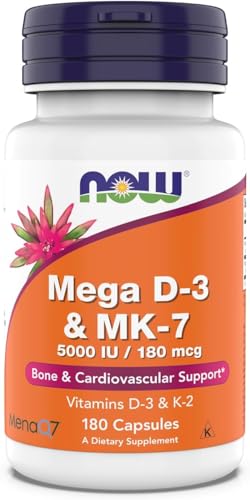
The Interplay of Vitamin D and K2
Vitamin D and vitamin K2 are often discussed together due to their complementary roles in the body, particularly concerning calcium metabolism and skeletal health [3]. Vitamin D helps regulate calcium levels and supports calcium absorption in the gut [4]. Vitamin K2, in turn, helps direct calcium to appropriate areas, such as bones, and away from soft tissues where it might undesirably accumulate [4].
Some research suggests that combining these two vitamins may offer synergistic benefits for bone health [5]. When considering supplementation, the co-administration of D3 and K2 is often recommended to support their collaborative functions. Ensuring adequate absorption of both vitamins is therefore important for their combined actions.
References
- Differential Enhancement of Fat-Soluble Vitamin Absorption and Bioefficacy via Micellization in Combination with Selected Plant Extracts In Vitro. Nutrients, 2025
- A new approach to measuring vitamin D in human adipose tissue using time-of-flight secondary ion mass spectrometry: a pilot study. Journal of photochemistry and photobiology. B, Biology, 2014
- Calcium, vitamin D, vitamin K2, and magnesium supplementation and skeletal health. Maturitas, 2020
- The Bone-Vasculature Axis: Calcium Supplementation and the Role of Vitamin K. Frontiers in cardiovascular medicine, 2019
- [Active vitamin D and vitamin K as therapeutic agents for osteoporosis]. Nihon rinsho. Japanese journal of clinical medicine, 2006
These statements have not been evaluated by the Food and Drug Administration. This information is not intended to diagnose, treat, cure, or prevent any disease. Content is for informational purposes only and is not medical advice; consult a qualified healthcare provider before starting any supplement. As an Amazon Associate we earn from qualifying purchases.