Vitamin D, often referred to as the ‘sunshine vitamin,’ plays an important role in overall health, particularly bone health, and is frequently discussed in relation to midlife and menopause. While sunlight is a natural source, understanding its role alongside supplementation is key for maintaining adequate levels.
This article will explore how our bodies produce vitamin D from sun exposure, the factors that can influence this process, and the considerations for incorporating D3 + K2 supplementation to support vitamin D status, especially as women navigate the changes of midlife.
The Body’s Natural Vitamin D Production: D3 K2 Sun Exposure
Our bodies are designed to produce vitamin D when skin is exposed to ultraviolet B (UVB) radiation from sunlight [1]. Specifically, 7-dehydrocholesterol in the skin is converted into pre-vitamin D3, which then isomerizes to vitamin D3 [1]. This natural process is a primary way many individuals obtain vitamin D.
The amount of vitamin D produced through sun exposure can vary significantly. Factors such as skin type, time of day, season, latitude, and cloud cover all influence the intensity of UVB radiation reaching the skin [2]. For instance, individuals with darker skin tones may require more sun exposure to produce the same amount of vitamin D compared to those with lighter skin tones due to higher melanin content acting as a natural sunscreen [2].
While sunlight is an effective source, the recommendation for ‘optimal‘ sun exposure without increasing skin health risks is complex and not universally defined [3]. Balancing the benefits of vitamin D synthesis with the potential risks of excessive UV radiation is a careful consideration.


Limitations of Sun Exposure for Vitamin D in Midlife
For women in midlife and during menopause, relying solely on sun exposure for vitamin D can present challenges. As we age, the skin’s ability to synthesize vitamin D from sunlight may decrease [4]. This means that the same amount of sun exposure that was sufficient in younger years might not yield the same vitamin D levels later in life.
Lifestyle factors and geographical location also play a role. Many people spend a significant amount of time indoors, limiting their opportunity for adequate sun exposure [5]. Additionally, those living at higher latitudes during winter months receive insufficient UVB radiation for vitamin D synthesis [2].
Furthermore, the use of sunscreen, while vital for skin protection, is often assumed to reduce vitamin D production, but in everyday use broad-spectrum sunscreen does not appear to compromise vitamin D status in healthy people, although people who need rigorous photoprotection, such as those with photosensitivity disorders, may be at risk of low vitamin D [6]. This highlights a common dilemma: protecting skin from sun damage versus maximizing vitamin D production.

The Role of D3 + K2 Supplementation
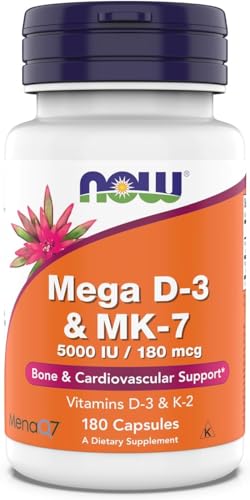
Given the limitations of sun exposure, particularly for women in midlife and menopause, D3 + K2 supplementation can be a practical approach to support vitamin D levels. Vitamin D3 (cholecalciferol) is the same form of vitamin D produced in the skin from sunlight [1]. Supplementation offers a consistent and measurable way to provide the body with this important nutrient.
Vitamin K2 is often discussed alongside vitamin D3 due to their synergistic relationship. While vitamin D helps regulate calcium levels, vitamin K2 is thought to play a role in directing calcium to appropriate areas, such as bones [7]. This partnership is particularly relevant for bone health, a key concern for women in midlife and beyond.
Choosing a D3 + K2 supplement allows for a more controlled intake compared to the variable nature of sun exposure. This can be especially beneficial for those with limited outdoor time, specific dietary preferences, or medical conditions affecting vitamin D absorption or metabolism.
Finding the Balance: Sun Exposure and D3 K2 Supplementation
For many, an integrated approach that considers both careful sun exposure and supplementation may be the most effective strategy for maintaining adequate vitamin D levels. Short, sensible periods of sun exposure, when appropriate, can contribute to natural vitamin D synthesis [3]. However, these periods should always be balanced with an awareness of skin health and the risks of excessive UV radiation.
Supplementation with vitamin D3, often alongside vitamin K2, can provide a reliable foundation for vitamin D status, especially when sun exposure is insufficient or inconsistent [8]. It is important to note that vitamin D is a fat-soluble vitamin, and its levels can accumulate in the body [9].
Regular monitoring of vitamin D levels through blood tests can help individuals and their healthcare providers determine the most appropriate balance of sun exposure and supplementation. This personalized approach can help ensure vitamin D sufficiency while respecting individual needs and circumstances.
References
- Vitamin D: Production, Metabolism, and Mechanism of Action. 2000
- Vitamin D and the Skin: An Update for Dermatologists. American journal of clinical dermatology, 2018
- Sunlight: Time for a Rethink?. The Journal of investigative dermatology, 2024
- Vitamin D and its implications for musculoskeletal health in women: an update. Maturitas, 2007
- Vitamin D and associated factors, among pregnant women in southeastern Nigeria. Journal of obstetrics and gynaecology : the journal of the Institute of Obstetrics and Gynaecology, 2022
- Sunscreen photoprotection and vitamin D status. The British journal of dermatology, 2019
- Bone health. The American journal of clinical nutrition, 2007
- Effectiveness and safety of vitamin D in relation to bone health. Evidence report/technology assessment, 2007
- Vitamin D: Vitamin or Hormone?. The Nursing clinics of North America, 2021
These statements have not been evaluated by the Food and Drug Administration. This information is not intended to diagnose, treat, cure, or prevent any disease. Content is for informational purposes only and is not medical advice; consult a qualified healthcare provider before starting any supplement. As an Amazon Associate we earn from qualifying purchases.