Perimenopause marks a significant transitional phase in a woman’s life, characterized by fluctuating hormones and various physiological changes. During this time, maintaining optimal nutritional status becomes particularly important for overall well-being.
Among the essential nutrients, vitamin D and vitamin K are gaining attention for their potential interconnected roles, especially as women navigate the shifts of midlife. This article explores why a combination of vitamin D3 and K2 may be relevant during perimenopause, drawing on current research.
Vitamin D Levels in Perimenopausal Women
Research suggests that vitamin D insufficiency is common across various populations, and perimenopausal women are no exception. Studies have indicated a high prevalence of vitamin D deficiency among women in this life stage [1]. Factors such as geographical location and lifestyle can influence vitamin D status; for instance, a study in India found a significant proportion of perimenopausal women with inadequate vitamin D levels [2].
Environmental factors may also play a role. For example, exposure to seasonal air pollution derived from biomass burning has been observed to increase the risk of vitamin D deficiency in healthy perimenopausal women [3]. These findings highlight the importance of considering various influences on vitamin D status during perimenopause.

The Interplay of Vitamin D and Bone Health
Bone health is a significant concern during perimenopause and beyond due to declining estrogen levels. Vitamin D plays a recognized role in calcium absorption and bone metabolism [1]. While vitamin D supplementation, sometimes combined with calcium, has been explored for its effects on bone remodeling and fracture risk in postmenopausal women, the outcomes can vary [4].
The North American Menopause Society emphasizes the importance of adequate calcium and vitamin D intake as part of a comprehensive strategy for managing osteoporosis in postmenopausal women [5]. This underscores the foundational role of these nutrients for skeletal integrity as women age.
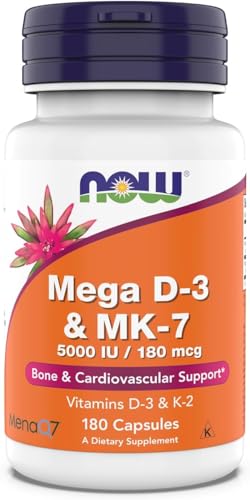
Vitamin K2: A Partner for D3 in Midlife
While vitamin D is crucial for calcium absorption, vitamin K2 is increasingly recognized for its role in directing calcium to appropriate areas, such as bones, and away from soft tissues. This partnership is thought to be particularly relevant for bone and cardiovascular health. Though the specific interplay of D3 and K2 in perimenopause is an evolving area of research, the established roles of each vitamin suggest a synergistic benefit.
The combination of vitamin D and calcium has been studied in postmenopausal women, and while outcomes regarding bone remodeling and fracture risk can be mixed, the general understanding of vitamin D’s role in calcium metabolism remains key [4]. The addition of K2 is often considered due to its potential to further optimize calcium utilization.

Beyond Bones: Other Considerations in Perimenopause
The impact of vitamin D extends beyond bone health. Research has explored connections between vitamin D levels and various aspects of well-being during perimenopause. For instance, studies have investigated the relationship between vitamin D levels and lipid and glucose profiles in perimenopausal women [6]. Maintaining balanced lipid and glucose levels is a common health focus during midlife.
Furthermore, some research has explored the link between vitamin D levels and mood. A study noted an association between vitamin D levels and depression in perimenopausal women [6]. Another study is investigating the potential effect of vitamin D supplementation on fatigue and mood among perimenopausal women [7]. These areas suggest a broader relevance for vitamin D status during this transitional period.
Obesity and lipid levels have also been examined in relation to vitamin D in perimenopausal and postmenopausal women [8]. These connections suggest that vitamin D status may be one piece of a larger health picture during midlife.

References
- Clinical implications of vitamin D deficiency. Przeglad menopauzalny = Menopause review, 2015
- Vitamin D status and associated factors among peri menopausal women in two selected districts of Kerala. Indian journal of public health, 2021
- Exposure to seasonal PM(2.5) derived from biomass burning increased the risk of vitamin D deficiency in healthy perimenopausal women. International archives of occupational and environmental health, 2025
- Supplementation of vitamin D isolated or calcium-associated with bone remodeling and fracture risk in postmenopausal women without osteoporosis: A systematic review of randomized clinical trials. Nutrition (Burbank, Los Angeles County, Calif.), 2023
- Management of osteoporosis in postmenopausal women: the 2021 position statement of The North American Menopause Society. Menopause (New York, N.Y.), 2021
- The effect of vitamin D levels on lipid, glucose profiles and depression in perimenopausal women. European review for medical and pharmacological sciences, 2022
- Effect of vitamin D supplementation on fatigue and mood among perimenopausal women. Bioinformation, 2026
- Serum Lipid, Vitamin D Levels, and Obesity in Perimenopausal and Postmenopausal Women in Non-Manual Employment. Medical science monitor : international medical journal of experimental and clinical research, 2017
These statements have not been evaluated by the Food and Drug Administration. This information is not intended to diagnose, treat, cure, or prevent any disease. Content is for informational purposes only and is not medical advice; consult a qualified healthcare provider before starting any supplement. As an Amazon Associate we earn from qualifying purchases.