Ready to buy? Check current prices on Amazon and compare deals before you decide.
As women transition through perimenopause, a period marked by fluctuating hormones and significant bodily changes, maintaining optimal nutrient levels becomes increasingly important. Among these, vitamin D3 and K2 are often discussed together due to their synergistic roles in supporting bone health and other physiological processes.
This article explores general considerations for vitamin D3 and K2 intake during perimenopause, focusing on practical approaches to finding an appropriate dosage. It’s important to remember that individual needs can vary, and this information is for educational purposes only, not a substitute for professional medical guidance.
Understanding Perimenopause and Nutritional Needs
Perimenopause, the years leading up to menopause, is characterized by shifts in hormone levels, particularly estrogen. These hormonal changes can influence various bodily systems, including bone metabolism and cardiovascular health. While specific nutrient requirements can change, a foundational approach to supporting overall well-being often includes attention to vitamins and minerals.
During this phase, women may experience symptoms such as hot flashes, sleep disturbances, and changes in mood. While vitamin D3 and K2 are not presented as solutions for these symptoms, maintaining adequate levels of these vitamins is part of a broader strategy for supporting health during this transition.
The Role of Vitamin D3 in Midlife
Vitamin D3, often called the ‘sunshine vitamin,’ is crucial for calcium absorption and bone mineralization. As women age, bone density can naturally decline, making adequate vitamin D levels a focus for supporting bone strength. Beyond bone health, vitamin D receptors are found throughout the body, suggesting broader physiological roles.
Sunlight exposure is a primary source of vitamin D, but factors like skin pigmentation, geographic location, time of year, and sunscreen use can limit its production. Dietary sources of vitamin D are relatively few, primarily fatty fish and fortified foods. Therefore, supplementation is a common strategy for many individuals to achieve and maintain sufficient vitamin D levels.


The Importance of Vitamin K2
Vitamin K is a fat-soluble vitamin known for its role in blood clotting. However, vitamin K2 (menaquinone) specifically has garnered attention for its involvement in calcium utilization within the body. It helps direct calcium to bones and teeth while discouraging its accumulation in soft tissues like arteries.
Dietary sources of vitamin K2 include fermented foods like natto, certain cheeses, and egg yolks. Because it is less prevalent in typical Western diets compared to vitamin K1 (found in leafy greens), some individuals consider K2 supplementation, particularly when also supplementing with higher doses of vitamin D3.

Synergy of D3 and K2: A Combined Approach
The reason vitamin D3 and K2 are often discussed together lies in their complementary actions regarding calcium metabolism. Vitamin D3 supports the absorption of calcium from the gut, increasing its availability in the bloodstream. Vitamin K2 then helps ensure this absorbed calcium is properly utilized, guiding it to where it’s needed (bones) and away from where it’s not (arteries and other soft tissues).[1][2]
This synergistic relationship suggests that taking D3 and K2 together may offer a more comprehensive approach to supporting bone health and arterial flexibility compared to supplementing with D3 alone. This is particularly relevant during perimenopause when both bone health and cardiovascular well-being are key considerations.
General Considerations for D3 + K2 Dosage in Perimenopause
There are no universal ‘optimal’ dosages for vitamin D3 and K2 that apply to every perimenopausal woman, as individual needs can vary significantly based on factors such as baseline vitamin levels, dietary intake, sun exposure, and overall health status. General guidelines for vitamin D often involve aiming for a blood level of 25-hydroxyvitamin D.
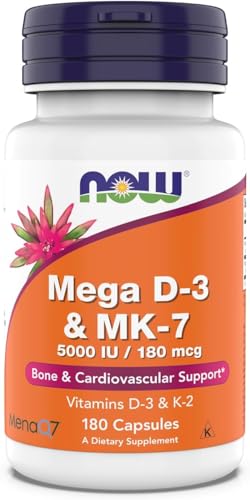
For vitamin D3, common supplemental doses range from 1,000 IU to 5,000 IU per day, though some individuals may require higher amounts under medical supervision. The optimal form of vitamin K2 for supplementation is often discussed as MK-7 due to its longer half-life. Typical daily doses for K2 (MK-7) often range from 90 mcg to 180 mcg.[3][4]
It is always advisable to consult with a healthcare provider to determine appropriate dosages based on your specific health profile and to monitor vitamin D levels through blood tests. This personalized approach helps ensure you are taking an adequate yet safe amount of these vitamins.
Safety and Monitoring
While generally considered safe, excessive intake of any vitamin can have unintended effects. High doses of vitamin D, for instance, can lead to hypercalcemia (high blood calcium), which can be problematic. Vitamin K2, even at higher doses, is generally well-tolerated, but individuals on anticoagulant medications (blood thinners) should exercise caution and consult their doctor due to potential interactions.[5][6]
Regular monitoring, especially of vitamin D levels, can help ensure that supplementation is effective and safe. A healthcare professional can interpret your blood test results and provide guidance tailored to your individual needs and health goals during perimenopause.
References
- Aaseth JO, Finnes TE, Askim M, Alexander J. The Importance of Vitamin K and the Combination of Vitamins K and D for Calcium Metabolism and Bone Health: A Review. Nutrients (2024);16(15):2420. PMID 39125301
- Wei FF, Trenson S, Verhamme P, Vermeer C, Staessen JA. Vitamin K-Dependent Matrix Gla Protein as Multifaceted Protector of Vascular and Tissue Integrity. Hypertension (2019);73(6):1160-1169. PMID 31006332
- Schurgers LJ, Teunissen KJ, Hamulyak K, et al. Vitamin K-containing dietary supplements: comparison of synthetic vitamin K1 and natto-derived menaquinone-7. Blood (2007);109(8):3279-83. PMID 17158229
- Knapen MH, Drummen NE, Smit E, Vermeer C, Theuwissen E. Three-year low-dose menaquinone-7 supplementation helps decrease bone loss in healthy postmenopausal women. Osteoporosis International (2013);24(9):2499-507. PMID 23525894
- Marcinowska-Suchowierska E, Kupisz-Urbanska M, Lukaszkiewicz J, Pludowski P, Jones G. Vitamin D Toxicity – A Clinical Perspective. Frontiers in Endocrinology (2018);9:550. PMID 30294301
- Ross AC, Manson JE, Abrams SA, et al. The 2011 report on dietary reference intakes for calcium and vitamin D from the Institute of Medicine: what clinicians need to know. Journal of Clinical Endocrinology & Metabolism (2011);96(1):53-8. PMID 21118827
These statements have not been evaluated by the Food and Drug Administration. This information is not intended to diagnose, treat, cure, or prevent any disease. Content is for informational purposes only and is not medical advice; consult a qualified healthcare provider before starting any supplement. As an Amazon Associate we earn from qualifying purchases.