Ready to buy? Check current prices on Amazon and compare deals before you decide.
As women navigate midlife and the menopausal transition, many notice changes in their hair and nails. These shifts can range from increased hair shedding and thinning to more brittle nails. While hormonal fluctuations are a significant factor, interest often turns to nutritional support.
Among the nutrients frequently discussed, vitamin D3 and vitamin K2 have garnered attention for their wide-ranging roles in the body. While their contributions to bone health are well-established, the potential influence of D3 + K2 on the health and appearance of hair and nails is a topic that women often inquire about.
Understanding Hair and Nail Changes in Midlife
Midlife and menopause often bring about noticeable changes in hair and nail quality. Hair may become finer, lose density, or experience increased shedding. Nails might become more prone to breakage, splitting, or slower growth. These changes are complex and are influenced by a combination of factors, including genetics, lifestyle, and particularly, hormonal shifts.
Estrogen, for instance, plays a role in hair growth cycles and nail strength. As estrogen levels decline during perimenopause and menopause, these changes can become more pronounced. While these shifts are a natural part of aging, many women seek ways to support the vitality of their hair and nails during this period.
The Broader Roles of Vitamin D3 and K2
Vitamin D3 is widely recognized for its crucial role in calcium absorption and bone mineralization. Beyond bone health, vitamin D receptors are found throughout the body, suggesting its involvement in various physiological processes, including immune function and cellular growth.
Vitamin K2 works synergistically with vitamin D3, particularly in calcium metabolism. It helps direct calcium to appropriate areas like bones and teeth, and away from soft tissues. While these roles are fundamental to overall health, their direct influence on hair and nail specific processes is an area of ongoing exploration.
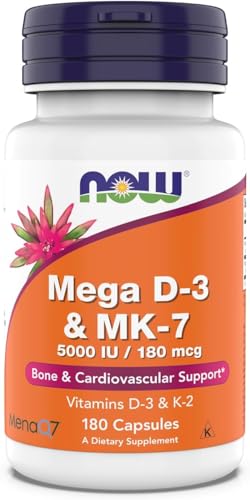


D3 + K2 and Hair Health: What the Current Understanding Suggests
When considering vitamin D3 and K2 for hair health, it’s important to differentiate between established roles and emerging areas of interest. Vitamin D receptors are indeed present in hair follicles, suggesting that vitamin D may play a role in the hair growth cycle. Some research has explored the connection between vitamin D status and certain types of hair loss, particularly in cases of deficiency.[1][2]
However, regarding a combined D3 + K2 approach specifically for general hair health in midlife women without a diagnosed deficiency or specific hair condition, the evidence is not yet robust. It is a topic that generates interest due to the general importance of these vitamins for overall physiological function, which indirectly supports healthy cellular processes throughout the body, including those involved in hair growth. At this time, direct, specific evidence showing that D3 + K2 supplementation improves hair quality or reduces hair shedding in midlife women with adequate vitamin levels is limited.[2]

D3 + K2 and Nail Health: Exploring the Connection
Nails are composed primarily of keratin, a protein that also forms hair. The health of nails is often a reflection of overall nutritional status and systemic well-being. Given vitamin D’s role in calcium regulation and overall cellular health, it’s plausible to consider its indirect influence on nail quality. Similarly, vitamin K2’s role in bone mineralization and potentially soft tissue health could theoretically contribute to the structural integrity that supports healthy nails.
However, similar to hair, specific evidence directly linking D3 + K2 supplementation to improved nail strength, growth, or appearance in midlife women is not widely established. While a severe deficiency in certain vitamins and minerals can certainly impact nail health, the current body of research does not provide strong conclusions for D3 + K2 as a primary intervention for common midlife nail changes. More targeted research would be needed to clarify any direct benefits.
Holistic Approaches to Hair and Nail Well-being in Midlife
While specific evidence for D3 + K2 directly impacting hair and nail health in midlife without underlying deficiencies is limited, a holistic approach to well-being remains important. This includes a balanced diet rich in essential nutrients, adequate protein intake, sufficient hydration, and managing stress.
Addressing underlying health conditions and consulting with healthcare professionals about significant changes in hair or nails is always recommended. Maintaining optimal levels of essential vitamins and minerals, including vitamin D, as part of general health support, can contribute to overall vitality, which in turn supports healthy bodily functions, including those that influence hair and nails.
References
- Guan L, Li Y, Wang J, et al. The role of vitamin D receptor signaling in hair follicle health and alopecia: Current understanding and therapeutic implications. Journal of Cellular Communication and Signaling (2026);20(1):e70060. PMID 41473843
- Gerkowicz A, Chyl-Surdacka K, Krasowska D, Chodorowska G. The Role of Vitamin D in Non-Scarring Alopecia. International Journal of Molecular Sciences (2017);18(12):2653. PMID 29215595
These statements have not been evaluated by the Food and Drug Administration. This information is not intended to diagnose, treat, cure, or prevent any disease. Content is for informational purposes only and is not medical advice; consult a qualified healthcare provider before starting any supplement. As an Amazon Associate we earn from qualifying purchases.