Ready to buy? Check current prices on Amazon and compare deals before you decide.
As women navigate midlife and menopause, many aspects of health come into focus, including maintaining skin vitality. While vitamin D3 and K2 are widely recognized for their roles in bone health, there’s growing interest in their broader physiological functions, potentially extending to skin appearance.
This article explores the current understanding of how vitamin D3 and K2 might contribute to skin health. It’s important to approach this topic with an understanding that research in this specific area, particularly concerning D3+K2 synergy for skin, is still emerging and not yet conclusive.
Vitamin D3: A Role Beyond Bones for Skin Wellness?
Vitamin D3, often called the ‘sunshine vitamin,’ is synthesized in the skin upon exposure to ultraviolet B (UVB) light. While its primary role in calcium absorption and bone mineralization is well-established, vitamin D receptors are present in various tissues throughout the body, including the skin. This widespread presence suggests potential roles beyond its traditional functions.
In the skin, vitamin D is thought to play a part in cell growth and differentiation. It may also influence the skin’s immune responses and its barrier function, which is crucial for protecting against environmental stressors and retaining moisture. These potential roles could theoretically contribute to overall skin resilience and appearance.[1]
However, it’s crucial to understand that these are potential mechanisms. The direct impact of vitamin D3 supplementation, especially in combination with K2, on specific skin concerns related to midlife and menopause, such as changes in elasticity, hydration, or fine lines, is an area that requires more dedicated research.
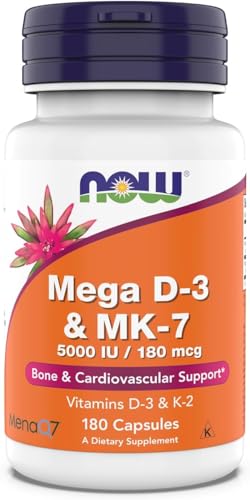


Vitamin K2: An Emerging Partner for Skin Considerations?
Vitamin K2 is known for its role in directing calcium to appropriate places in the body, such as bones, and away from soft tissues like arteries. While its primary association has been with cardiovascular and bone health, the possibility of K2 influencing other tissues, including the skin, is a topic of ongoing discussion.
The theoretical connection to skin health often relates to its interaction with calcium. If K2 helps regulate calcium distribution, some hypothesize it could indirectly support the skin’s structural integrity. Calcium is an important mineral for skin cell function and turnover. However, this is a theoretical link and not a direct, proven benefit for skin appearance.
Research specifically investigating K2’s direct impact on skin elasticity, collagen production, or other visual aspects of skin health in midlife women is very limited. Most studies focus on its established roles. Therefore, any claims about K2’s ‘anti-aging’ effects on skin should be viewed with considerable caution and an understanding that robust evidence is lacking.

The D3+K2 Combination: Synergistic Potential for Skin?
The rationale for combining vitamin D3 and K2 primarily stems from their complementary roles in calcium metabolism. Vitamin D3 helps with calcium absorption, while K2 helps ensure that calcium is utilized properly within the body. When considering skin health, any potential synergy would likely revolve around this calcium regulation aspect.
For instance, if calcium plays a role in skin cell health and structure, and D3 and K2 together optimize calcium handling, then a theoretical indirect benefit to skin could be posited. However, this is a conceptual framework rather than a conclusion supported by extensive clinical trials focused on skin outcomes.
It’s important to avoid extrapolating findings from bone or cardiovascular health directly to skin health. While the general health benefits of optimal vitamin D3 and K2 levels are recognized, their combined, direct impact on skin appearance or ‘anti-aging’ markers in women navigating midlife is an area where scientific evidence is still very much in its infancy.
What Current Research Suggests (and Doesn’t Suggest)
Currently, studies directly investigating the combined effect of D3 and K2 supplementation on specific skin health markers, such as wrinkles, elasticity, hyperpigmentation, or overall ‘anti-aging’ effects in midlife women, are limited. Much of the discussion around D3+K2 for skin health is based on broader understandings of vitamin functions or anecdotal observations rather than dedicated clinical research.[1]
While maintaining adequate levels of essential vitamins is part of a healthy lifestyle that may indirectly support overall well-being, including skin health, it’s crucial not to overstate the evidence for D3+K2 as a direct solution for specific skin concerns. The skin is a complex organ influenced by many factors, including genetics, lifestyle, sun exposure, and hormonal changes during midlife and menopause.
Consumers should be wary of products or information that make strong, unsubstantiated claims about D3+K2’s ability to significantly alter skin appearance or reverse signs of aging. While future research may uncover more direct links, current scientific understanding does not firmly establish D3+K2 as a primary intervention for improving skin health or achieving ‘anti-aging’ effects.
References
- Bocheva G, Slominski RM, Slominski AT. The Impact of Vitamin D on Skin Aging. International Journal of Molecular Sciences (2021);22(16):9097. PMID 34445803
These statements have not been evaluated by the Food and Drug Administration. This information is not intended to diagnose, treat, cure, or prevent any disease. Content is for informational purposes only and is not medical advice; consult a qualified healthcare provider before starting any supplement. As an Amazon Associate we earn from qualifying purchases.