As women navigate midlife and menopause, understanding nutritional support becomes increasingly relevant. Vitamin K2, often discussed alongside vitamin D3, plays a role in various bodily functions. When considering vitamin K2, you might encounter two primary forms: menaquinone-7 (MK-7) and menaquinone-4 (MK-4).
This article aims to provide an evidence-based overview of MK-7 and MK-4, highlighting their differences in bioavailability and how they are studied. Our goal is to offer clear, non-hyped information to help you make informed decisions about your nutritional support.
What is Vitamin K2?
Vitamin K is a fat-soluble vitamin known for its role in blood clotting. However, it also has other functions in the body. Vitamin K is broadly categorized into K1 (phylloquinone), found in leafy green vegetables, and K2 (menaquinone), which has several subtypes, or menaquinones.
The menaquinone forms of vitamin K2 are differentiated by the length of their side chain. The most commonly discussed and studied forms available in supplements are menaquinone-4 (MK-4) and menaquinone-7 (MK-7). While both are forms of vitamin K2, they have distinct characteristics that are important to understand.

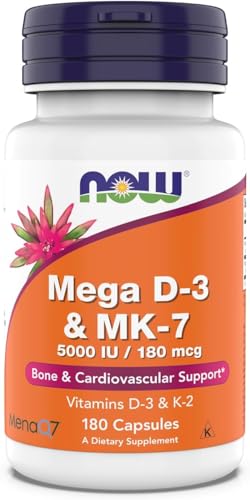

MK-4: The Shorter-Chain Menaquinone
Menaquinone-4 (MK-4) is a shorter-chain form of vitamin K2. It is found in some animal-derived foods, such as certain meats and dairy products. MK-4 has a relatively short half-life in the body, meaning it is metabolized and cleared more quickly.
Some research has investigated the effects of MK-4 on bone health. However, its rapid metabolism often requires higher doses and more frequent administration in research settings to maintain consistent levels. The bioavailability of MK-4 has been compared with MK-7 in studies [1].
MK-7: The Longer-Chain Menaquinone
Menaquinone-7 (MK-7) is a longer-chain form of vitamin K2, primarily found in fermented foods like natto. A key characteristic of MK-7 is its longer half-life in the body compared to MK-4. This means that MK-7 tends to stay in the bloodstream for a longer duration after consumption [1].
This extended presence in the body is often considered when discussing the potential benefits of MK-7, as it may allow for more sustained activation of vitamin K-dependent proteins. Research has explored MK-7’s potential role in bone mineral density and bone loss, particularly in postmenopausal women [2][3].
Bioavailability and Half-Life: Key Differences
One of the most significant differences between MK-7 and MK-4 lies in their bioavailability and half-life. Bioavailability refers to the proportion of a nutrient that is absorbed and utilized by the body. A study comparing the bioavailability of MK-4 and MK-7 in healthy women found that MK-7 demonstrated higher and more sustained plasma concentrations over a 24-hour period after a single oral dose compared to MK-4 [1].

This difference in half-life means that MK-7 can potentially maintain more consistent levels in the blood with less frequent dosing than MK-4. This sustained presence is a factor often highlighted when discussing the practical application of MK-7 in supplementation. The research suggests that MK-7 is effectively absorbed and remains active in the body for a longer time, which may be relevant for its potential actions [1].
MK-7 and Bone Health in Midlife and Menopause
For women navigating midlife and menopause, maintaining bone health is often a priority. Research has investigated the potential of MK-7 in this context. A three-year study involving healthy postmenopausal women found that low-dose menaquinone-7 supplementation appeared to help decrease bone loss [2]. This suggests a potential role for MK-7 in supporting bone mineral density during a period when bone changes are common.
Further research has also explored MK-7’s effects on bone quality and strength, indicating its potential involvement in bone metabolism [3]. While these findings are encouraging, it’s important to note that the evidence strength for this topic is moderate, and ongoing research continues to refine our understanding of vitamin K2’s full impact on bone health.
The mechanisms by which MK-7 may influence bone health are thought to involve its role in activating specific proteins, such as osteocalcin, which are important for bone mineralization. By ensuring these proteins are adequately carboxylated, vitamin K2 may contribute to the proper incorporation of calcium into bone tissue.

Choosing Between MK-7 and MK-4
When considering which form of vitamin K2 to take, several factors come into play. The longer half-life and sustained bioavailability of MK-7, as shown in studies [1], are often cited as reasons for its selection in supplements. This allows for less frequent dosing while potentially maintaining consistent levels in the body.
While MK-4 is also a form of vitamin K2, its rapid metabolism means that research often uses higher and more frequent doses to observe effects. For general dietary supplementation, MK-7 is frequently chosen due to its pharmacokinetic profile. The existing research, particularly regarding bone health in postmenopausal women, often focuses on MK-7 [2][3].
Ultimately, the choice may depend on individual needs and preferences. It is always sensible to consider the specific formulations available and to discuss any new supplements with a healthcare provider, especially if you have existing health conditions or are taking other medications.
References
- Comparison of menaquinone-4 and menaquinone-7 bioavailability in healthy women. Nutrition journal, 2012
- Three-year low-dose menaquinone-7 supplementation helps decrease bone loss in healthy postmenopausal women. Osteoporosis international : a journal established as result of cooperation between the European Foundation for Osteoporosis and the National Osteoporosis Foundation of the USA, 2013
- MK-7 and Its Effects on Bone Quality and Strength. Nutrients, 2020
These statements have not been evaluated by the Food and Drug Administration. This information is not intended to diagnose, treat, cure, or prevent any disease. Content is for informational purposes only and is not medical advice; consult a qualified healthcare provider before starting any supplement. As an Amazon Associate we earn from qualifying purchases.