Midlife can bring significant shifts for women, including hormonal changes associated with perimenopause and menopause. These transitions are often accompanied by various physical and emotional experiences, with mood fluctuations being a commonly reported concern. Understanding factors that may influence mood during this time is a key area of interest.
While conventional approaches exist for managing mood changes, some women explore complementary strategies. This article will examine the current understanding of how vitamin D3 and K2 might play a role in supporting mood stability for women navigating perimenopause, based on available evidence.
Understanding Mood Changes in Perimenopause
The perimenopausal period, leading up to menopause, is characterized by fluctuating hormone levels, particularly estrogen. These hormonal shifts are often linked to a range of symptoms, including changes in mood [1]. Women may experience increased anxiety, irritability, and depressive symptoms during this stage [2].
It’s important to recognize that mood disturbances during midlife are not uncommon. Studies from decades ago noted a connection between psychiatric morbidity and menopause, highlighting symptoms like anxiety and depression [3]. Sleep disturbances are also frequently reported by mid-life women, which can further impact mood and overall well-being [4]. General-population survey data collected during the COVID-19 pandemic found that women reported higher levels of depression, anxiety and somatization than men overall, but no difference between women and men in the 40 to 55 age band [5].
While pharmaceutical interventions like duloxetine and bupropion have been studied for major depressive disorder in women in this age range [6][7], many women seek to understand all potential contributing factors to their mood and explore various supportive measures.
The Broader Role of Vitamin D in the Body
Vitamin D is widely recognized for its crucial role in bone health, assisting in calcium absorption. However, research has increasingly highlighted its involvement in numerous other bodily functions, extending beyond skeletal maintenance. Vitamin D receptors are found in many tissues, including the brain, suggesting a broader influence on physiological processes.
Beyond its well-known functions, vitamin D is understood to play a part in immune function and cellular growth. Its widespread presence throughout the body indicates its importance for general health and well-being. Maintaining adequate vitamin D levels is considered a general health recommendation.
Exploring the Connection Between Vitamin D and Mood
The potential link between vitamin D status and mood has been an area of ongoing research. The findings do not all point the same way. A randomized, double-blind, placebo-controlled trial in 100 perimenopausal women who were vitamin D deficient reported significant improvements in both fatigue and mood after six months of vitamin D3 compared with placebo [8]. A dose-response meta-analysis pooling 31 randomized trials and 24,189 adults found that each additional 1,000 IU per day produced a small reduction in depressive symptoms, larger in people who already had depressive symptoms; but the effect faded the longer trials ran, losing statistical significance in trials lasting beyond roughly 24 weeks, and there was no significant effect on anxiety at all [9]. A separate study of 191 women aged 45 to 65 found no statistically significant correlation between serum vitamin D levels and severity of depression [10].
While the exact mechanisms are still being investigated, vitamin D is thought to influence neurotransmitter synthesis and function, which are critical for mood regulation. The presence of vitamin D receptors in brain regions associated with mood control further supports this proposed connection. However, it’s important to note that research on vitamin D and mood is complex, and findings are not always consistent across all studies. The European Menopause and Andropause Society, in its position statement on vitamin D and menopausal health, takes a firmer line: it accepts that vitamin D deficiency may negatively affect aspects of menopausal symptomatology including depression and sleep, but concludes that in postmenopausal women vitamin D supplementation has no effect on those outcomes [11]. Taken together, the evidence for a direct causal link specifically for mood swings in perimenopause is weak, and the most that can reasonably be said is that correcting a genuine deficiency may help some women.

The Role of Vitamin K2 Alongside Vitamin D3
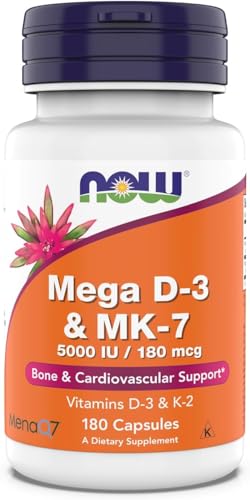
When considering vitamin D3 supplementation, vitamin K2 is often discussed as a complementary nutrient. Vitamin K2 is known for its role in directing calcium to appropriate areas, such as bones, and away from soft tissues. While its primary association is with bone and cardiovascular health, its interaction with vitamin D makes it relevant in a broader health context.
The interplay between vitamin D3 and K2 is primarily understood in the context of calcium metabolism. Vitamin D3 helps the body absorb calcium, and vitamin K2 helps ensure that this absorbed calcium is utilized effectively and deposited in the bones rather than accumulating in arteries or other soft tissues. Direct evidence linking vitamin K2 to mood is preliminary, and none of it comes from perimenopausal women. A 2025 systematic review identified 14 studies, of which eleven were observational, one was a randomized trial and two were animal studies; most of the observational work reported an inverse association between vitamin K intake or blood levels and depressive symptoms, while the single randomized trial tested menaquinone-7 in women with polycystic ovary syndrome rather than in menopause, and its authors described the overall evidence as limited [12]. K2’s established role alongside D3 is in calcium handling and bone health, which is itself a genuine concern in perimenopause, rather than in mood.
Considering Vitamin D3+K2 for Perimenopausal Mood Support
For women experiencing mood changes during perimenopause, maintaining adequate vitamin D levels may be a supportive measure. While research specifically on vitamin D3+K2 for mood swings in perimenopause is still developing, optimizing nutritional status is a generally recommended approach to overall well-being.
Integrative approaches to perimenopause often consider a range of factors, including nutritional support [1]. While vitamin D’s direct impact on mood swings in this specific population requires further investigation, its broader role in neurological function and general health makes it a nutrient worth considering. Any decisions regarding supplementation should be made in consultation with a healthcare provider, who can assess individual needs and potential interactions.


References
- Integrative approaches to perimenopause. The American journal of medicine, 2026
- Anxiety and depression before and after the menopause. Archives of gynecology and obstetrics, 2001
- Psychiatric morbidity and the menopause: clinical features. British medical journal, 1976
- Sleep disturbance in mid-life women. Journal of advanced nursing, 1995
- ‘Women in the front’: Psychological impact of the COVID-19 pandemic: Depression, anxiety, loneliness, and somatization in the Israel population. Psychiatry research, 2023
- Duloxetine for the treatment of major depressive disorder in women ages 40 to 55 years. Psychosomatics, 2005
- Relative antidepressant efficacy of bupropion and the selective serotonin reuptake inhibitors in major depressive disorder: gender-age interactions. International clinical psychopharmacology, 2007
- Effect of vitamin D supplementation on fatigue and mood among perimenopausal women. Bioinformation, 2026
- The effect of vitamin D supplementation on depression: a systematic review and dose-response meta-analysis of randomized controlled trials. Psychological medicine, 2024
- The effect of vitamin D levels on lipid, glucose profiles and depression in perimenopausal women. European review for medical and pharmacological sciences, 2022
- EMAS position statement: Vitamin D and menopausal health. Maturitas, 2023
- Exploring the Link Between Vitamin K and Depression: A Systematic Review. Medicina (Kaunas, Lithuania), 2025
These statements have not been evaluated by the Food and Drug Administration. This information is not intended to diagnose, treat, cure, or prevent any disease. Content is for informational purposes only and is not medical advice; consult a qualified healthcare provider before starting any supplement. As an Amazon Associate we earn from qualifying purchases.